

Home

Service 

Siding

DuPage & Cook
County

Siding Experts.

Trusted siding installation, replacement & storm restoration in Naperville, Aurora, Wheaton, Downers Grove, Oak Park & across DuPage and Cook Counties.

Siding 101

What Does Siding Actually Do?

For homeowners in DuPage and Cook County facing harsh winters, heavy storms, and summer heat, siding is more than a finish — it’s a critical system that protects your home and cuts energy costs.

Understanding the Layers

Anatomy of Your Siding

Siding isn’t just one panel — it’s a system of layers working together to keep your home dry, insulated, and looking great.
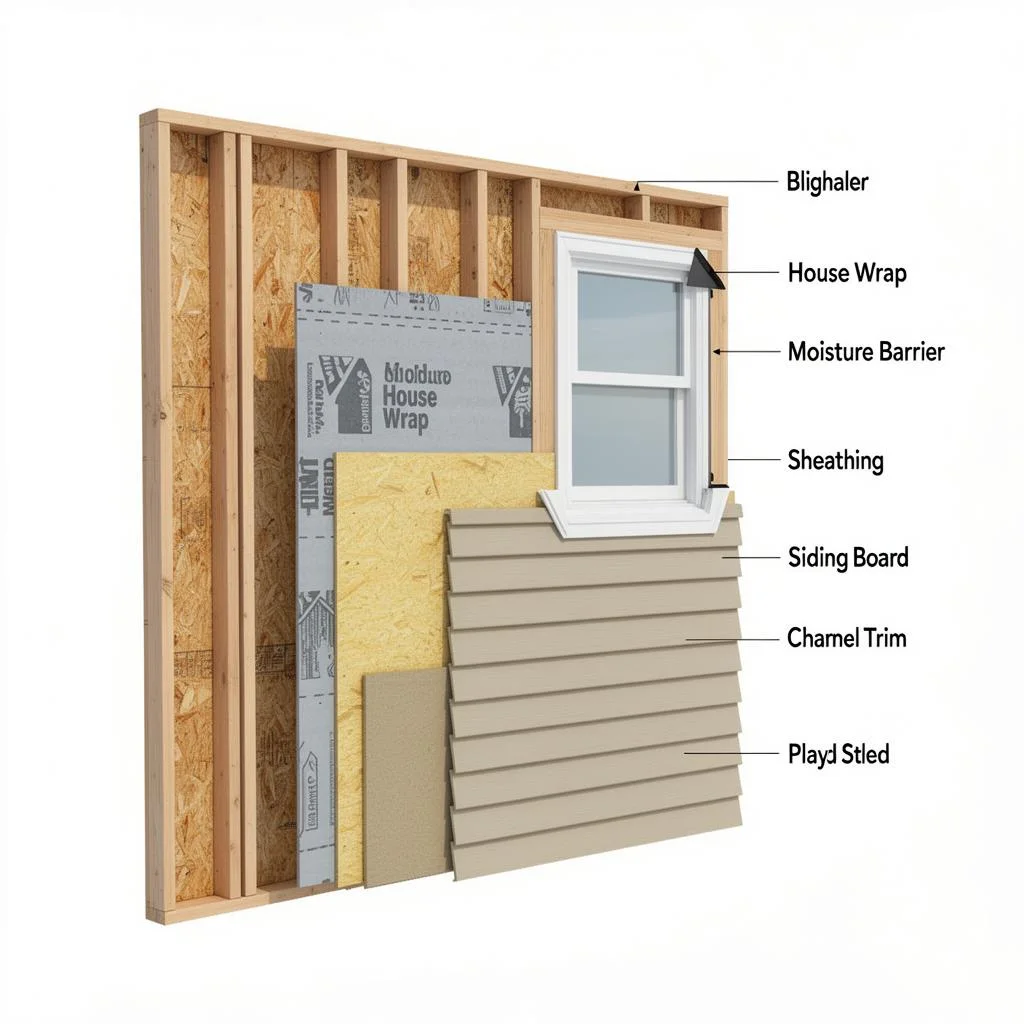
1. Sheathing

The structural layer installed over exterior wall framing, providing rigidity and a nailing surface.

2.Water-Resistant Barrier

A membrane (house wrap) installed behind siding to prevent water intrusion while allowing moisture vapor to escape.

3.Insulation Board

Added between sheathing and siding to increase thermal performance and reduce energy loss.

4.J-Channel Trim

Trim pieces installed around windows, doors, and edges to create a clean transition and channel water away.

5.Siding Panels

The visible exterior layer that protects the building from weather, improves insulation, and defines your home’s appearance.

Warning Signs

Does Your Siding Need Replacement?

Many homeowners don’t realize their siding has failed until water damage has already started. Here are the most common signs it’s time for new siding:
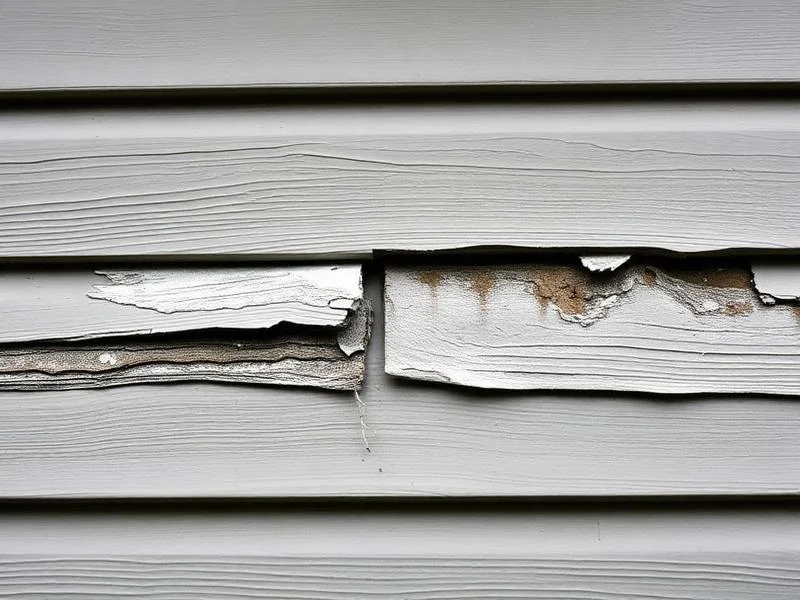
  • Cracking, warping, or buckling panels

  • Peeling paint or loose wallpaper inside your home

  • Higher-than-normal energy bills

  • Visible mold, mildew, or fungus on exterior walls

  • Fading or discoloration across large areas

  • Soft or rotted spots when pressed

  • Gaps or loose seams between panels

  • Storm damage — dents, holes, or missing pieces

Cracked and delaminated siding panels — a sign of moisture intrusion and aging material.

Deep Dive

Siding Materials Explained

Not all siding is created equal. Here’s what you need to know about each material’s performance, cost, and lifespan to make an informed decision.
  • 20–40 years    $   $$

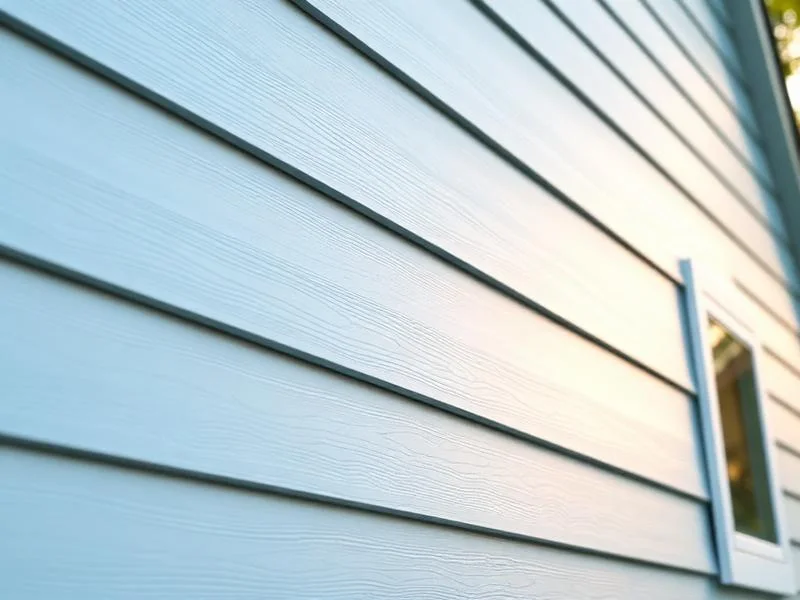
Vinyl Siding

The most popular siding choice in America. Vinyl is manufactured from PVC resin, making it lightweight, affordable, and virtually maintenance-free. Modern vinyl comes in hundreds of colors and profiles — from traditional clapboard to Dutch lap and board-and-batten.

  • ADVANTAGES

  • Lowest upfront cost

  • No painting needed

  • Resists insects and rot

  • Wide color selection

  • CONSIDERATIONS

  • Can crack in extreme cold

  • May warp near high heat sources

  • Less premium appearance

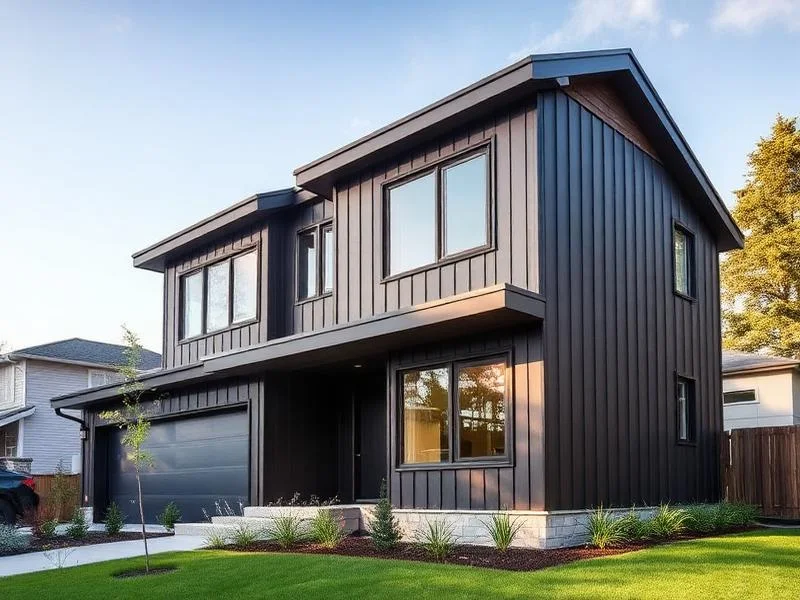
Steel Siding

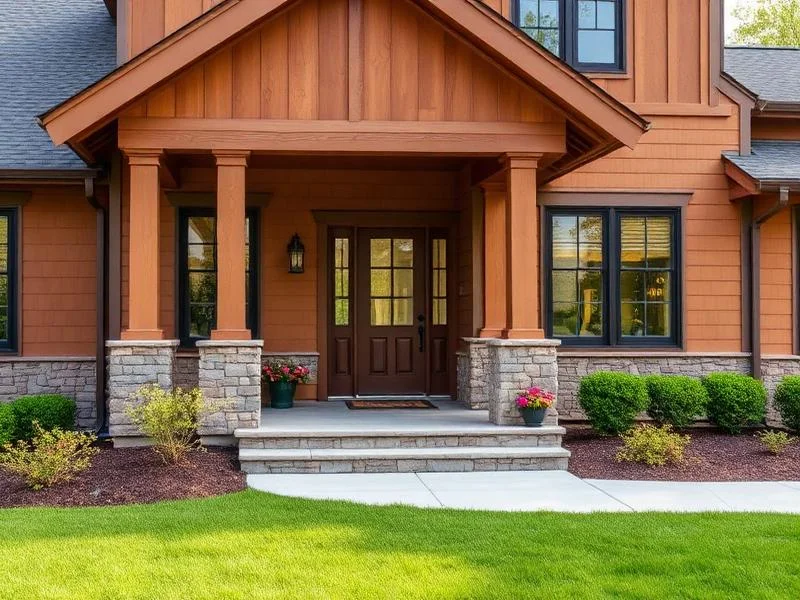
Engineered for maximum durability. Steel siding won’t crack, warp, or rot, and it stands up to hail and high winds better than any other material. Modern coatings prevent rust and allow a range of finishes from wood-grain to smooth contemporary.
  • ADVANTAGES

  • Highest impact resistance

  • Fireproof

  • Won’t warp or crack

  • 100% recyclable

  • CONSIDERATIONS

  • Higher cost than vinyl

  • Can dent on impact

  • Requires professional install

  • 40–70 years    $   $$$

  • 30–50 years    $   $$$

LP SmartSide

Engineered wood siding that delivers the warmth and character of real wood without the downsides. LP SmartSide panels are treated with a zinc borate process that resists fungal decay, termites, and moisture damage.

  • ADVANTAGES

  • Authentic wood appearance

  • Excellent impact resistance

  • Paintable in any color

  • Lighter than fiber cement

  • CONSIDERATIONS

  • Requires periodic repainting

  • More costly than vinyl

  • Not fireproof

James Hardie (Fiber Cement)

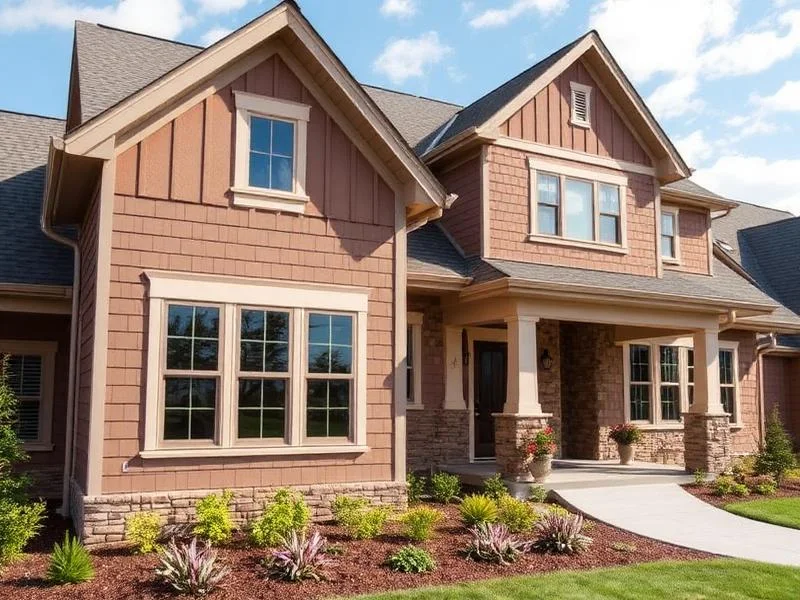
The gold standard in premium siding. James Hardie fiber cement is a mixture of cement, sand, and cellulose fibers that creates an incredibly durable product. Their ColorPlus® technology bakes the finish on in factory-controlled conditions for superior fade resistance.
  • ADVANTAGES

  • Non-combustible (fire-rated)

  • Excellent in all climates

  • Resists rot, pests, and hail

  • Highest resale value

  • CONSIDERATIONS

  • Heaviest material — needs skilled install

  • Highest upfront cost

  • Can crack if improperly nailed

  • 40–100+ years    $   $$$$

Storm Damage?

Insurance Claims Made Easy

If your siding was damaged by hail, wind, or a storm, your homeowner’s insurance may cover the full replacement. We work with all insurance carriers — big, small, national, and regional — and handle the details so you can focus on what matters.

What’s typically covered?
•  Hail damage to siding panels
•  Wind-blown debris impact
•  Storm-related water intrusion
• Falling tree or branch damage

How the Process Works

We work with all insurance companies — big or small
State Farm
Allstate
Liberty Mutual
Farmers
Nationwide
American Family
Travelers
USAA
Progressive
Country Financial
Erie Insurance
The Hartford
Safeco
Auto-Owners
State Farm
Allstate
Liberty Mutual
Farmers
Nationwide
American Family
Travelers
USAA
Progressive
Country Financial
Erie Insurance
The Hartford
Safeco
Auto-Owners

Common Siding Questions

It depends on your budget and climate. Vinyl is affordable and low-maintenance, LP SmartSide offers wood-like durability, and James Hardie fiber cement is built for extreme weather.

Most projects take a few days to a week depending on home size, material, and weather. We provide clear timelines upfront.

In many cases, yes. We work directly with all insurance carriers, handle adjuster meetings, and ensure nothing is missed in your claim.

Cost varies by material and home size. Vinyl is the most affordable, fiber cement and steel are premium. We provide free, no-surprise estimates.

Yes — insulated vinyl and fiber cement help regulate indoor temperatures, reducing heating and cooling costs year-round.

Ready to Talk Siding?

Serving DuPage & Cook County — Naperville, Aurora, Wheaton, Downers Grove, Oak Park & beyond. Get a free, no-obligation siding inspection from our licensed team.